
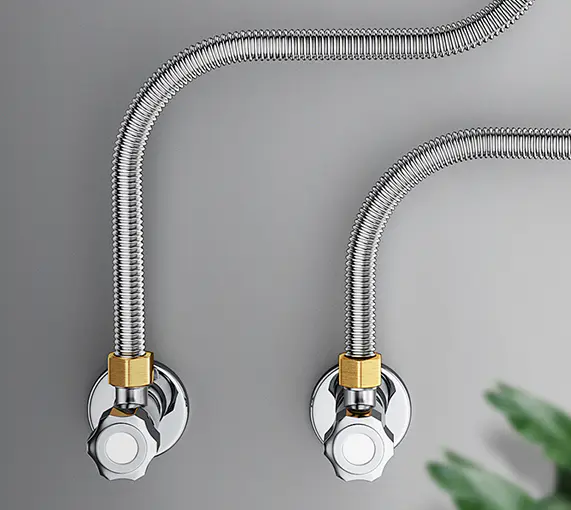






Quick Answer On کانکتور گاز انعطاف پذیر از جنس استنلس استیل Versus Rubber Gas Hose
For most kitchen, water heater, generator and outdoor gas appliance connections, a stainless steel flexible gas connector generally outperforms a rubber gas hose in service life, heat tolerance and resistance to environmental damage . The corrugated stainless steel wall resists cracking from heat, sunlight and ozone exposure, and it is far less likely to be gnawed through by rodents compared with a rubber outer jacket. Rubber gas hose still has a place in short indoor runs with very limited movement and low heat exposure, where flexibility and ease of routing around tight corners matter more than long term aging resistance. The sections below walk through construction differences, sizing guidance, real world failure patterns and a short selection checklist, along with several comparison charts that make the trade offs easier to see at a glance.
What A کانکتور گاز انعطاف پذیر از جنس استنلس استیل Is Built From
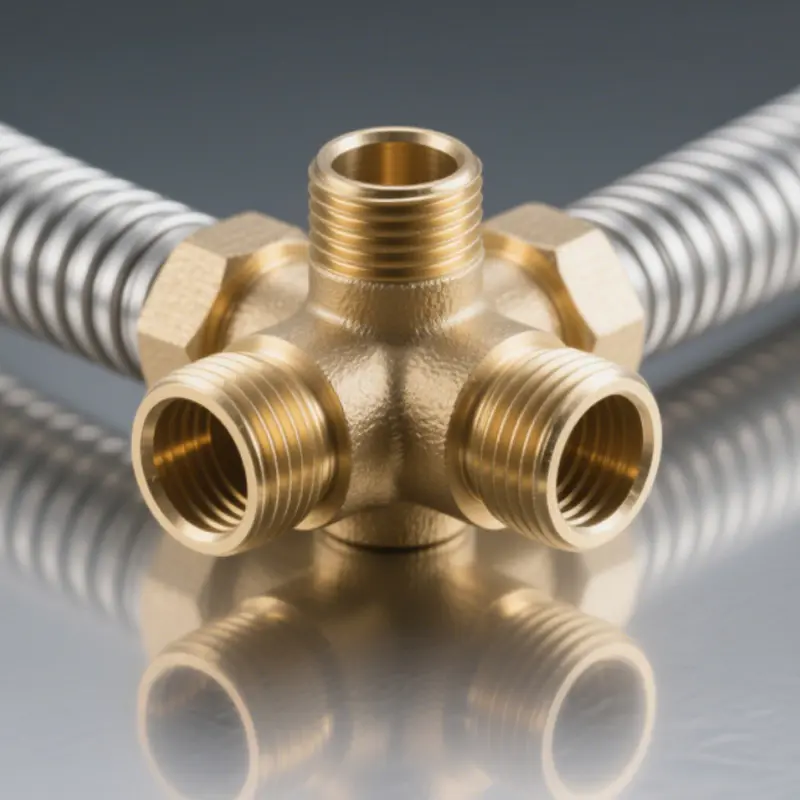
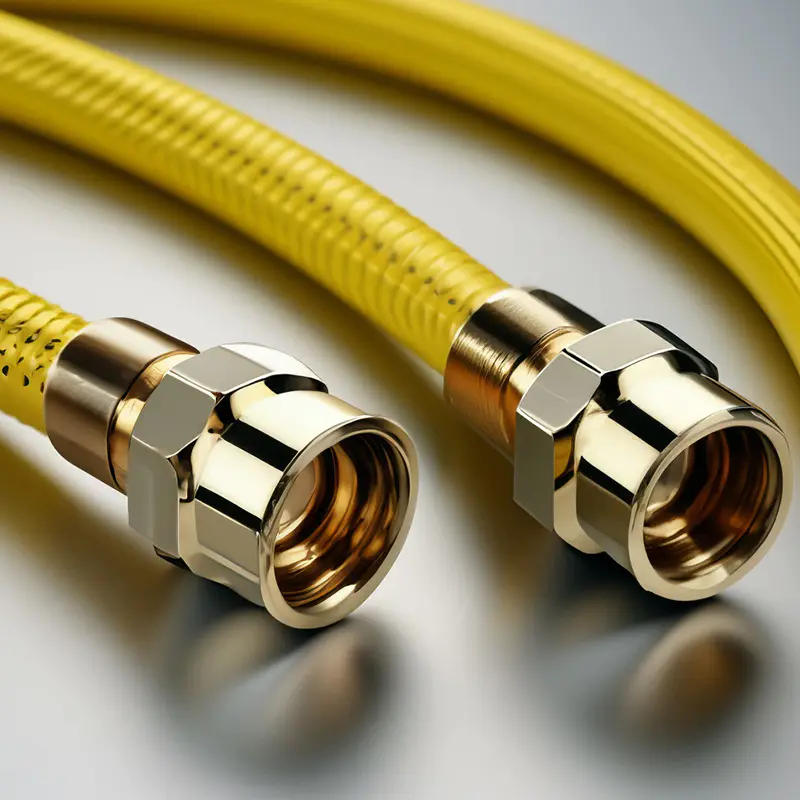
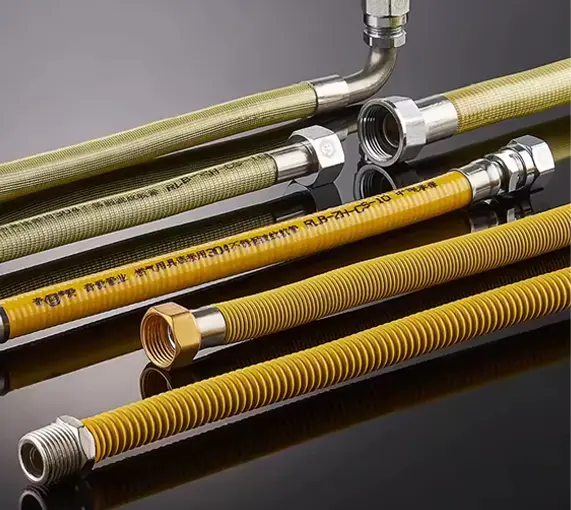
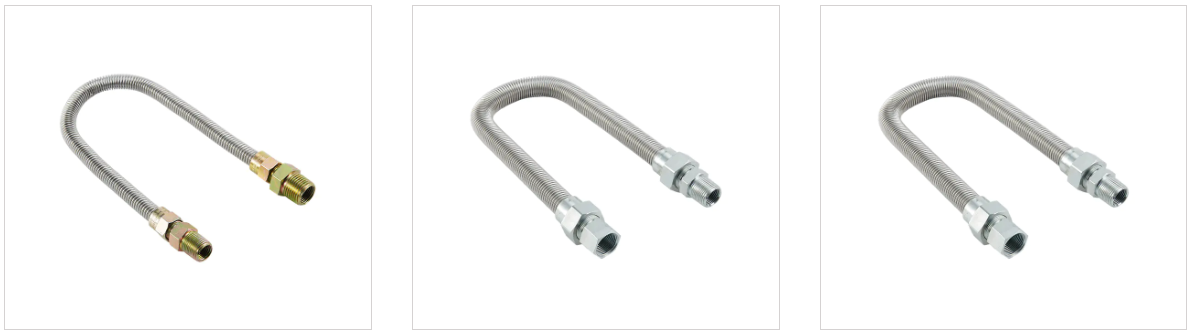
A stainless steel flexible gas connector is a corrugated metal tube formed from a continuous strip of stainless steel, folded and welded along a seam to create a tight helical or annular ripple pattern. This corrugation is what gives the connector its flexibility, since the metal itself does not stretch but the ripple pattern allows the tube to bend around obstacles without kinking. Many connectors add a woven stainless steel braid over the corrugated core to increase burst pressure rating and reduce vibration fatigue, which matters for appliances that shift slightly during operation such as gas ranges and portable generators.
Typical Construction Layers
- Corrugated stainless steel core tube that carries the gas flow.
- Optional stainless steel wire braid layer for added burst strength and vibration resistance.
- Threaded brass or stainless end fittings sized to match the appliance shutoff valve and the gas supply line.
- Optional protective coating on the outer surface for appliances installed in damp or outdoor locations.
Because a corrugated stainless steel gas hose supplier can vary wall thickness, corrugation pitch and braid density, the same basic construction can be tuned for a light duty kitchen stove connection or a heavier duty commercial gas appliance connector hose used in a restaurant kitchen line.
What A Rubber Gas Hose Is Built From And Where It Falls Short Over Time
A rubber gas hose uses a synthetic rubber tube, often reinforced with a textile or wire braid layer, covered by an outer rubber jacket. The rubber compound gives the hose a soft, easily bent feel straight out of the package, which is why it has traditionally been popular for short connections in tight cabinet spaces. The tradeoff shows up over years of service, since rubber compounds gradually harden and crack when repeatedly exposed to heat radiating from a stove or water heater, and outdoor ozone exposure accelerates surface checking on the jacket. Once small cracks form, the reinforcement layer underneath is exposed to moisture and gradual degradation, which is the failure pattern most often reported in older installations.
Common Weak Points Reported In The Field
- Surface hardening and cracking after extended heat exposure near ovens and water heaters.
- Ozone related surface checking on hoses installed near sunlight or outdoor equipment.
- Rodent damage to the outer rubber jacket in basements, crawl spaces and garages.
- Gradual stiffening that reduces the flexibility advantage the hose originally offered.
Side By Side Comparison Of Core Construction And Performance صفتs
The table below lines up both connector types across the traits installers and facility managers check most often before ordering replacement parts.
| Trait | کانکتور گاز انعطاف پذیر از جنس استنلس استیل | Rubber Gas Hose |
|---|---|---|
| مواد اصلی | Corrugated stainless steel tube | Synthetic rubber compound |
| تحمل حرارت | High, suited near ovens and water heaters | Moderate, can harden with repeated heat exposure |
| UV And Ozone Resistance | Not affected by sunlight or ozone | Prone to surface checking outdoors over time |
| مقاومت در برابر آفات | Strong resistance to rodent damage | Vulnerable in basements and crawl spaces |
| Flexibility Out Of The Box | Good, improves with corrugation design | Very good when new |
| Typical Indoor Application | اجاق ها, water heaters, generators, commercial kitchens | Short indoor runs with limited heat exposure |
Estimated Condition Retention Over A Ten Year Service Period
The line chart below illustrates a general aging pattern reported across long term field use, showing estimated physical condition retention for both connector types over a ten year span under typical residential heat and light exposure. Stainless steel shows a flat, stable line while rubber shows a gradual decline as the compound ages.
This pattern is one reason many installers prefer stainless steel for connections that are hard to reach for regular inspection, since the material holds its physical condition with less monitoring required over the years.
Where Flexible Gas Connectors Are Most Commonly Installed
Column data below reflects the general order of magnitude across typical residential and light commercial installation requests for corrugated gas connectors.
Typical Installation Notes By Category
- A flexible gas connector for gas stove use typically favors a shorter length with a tighter bend radius near cabinet walls.
- A flexible gas connector for water heater installations usually runs vertically from a floor or wall shutoff valve up to the appliance inlet.
- Generator connections often see more vibration during operation, favoring a braided stainless construction for added fatigue resistance.
- Garden and outdoor grill lines face the most direct sun and weather exposure of any category listed above.
- A commercial gas appliance connector hose used in a restaurant line typically needs a heavier gauge and higher flow capacity than a residential stove connector.
Multi Dimensional Comparison Radar Chart
Six dimensions matter most when weighing a stainless steel flexible gas connector against a rubber gas hose for a new installation or a replacement project.
Rubber hose keeps a modest edge on ease of routing in tight spaces , while stainless steel extends further across every other dimension, particularly weather resistance and long term reliability, which is why it remains the more common recommendation for connections that stay in place for many years without frequent inspection.
Safety Considerations For Gas Appliance Connections
Both connector types are designed to carry fuel gas safely when installed and sized correctly, but the failure patterns differ in ways worth understanding. A rubber gas hose that has hardened or cracked from age can develop small leaks that are not always obvious during a casual visual check, particularly in dim cabinet spaces. A stainless steel flexible gas connector is less prone to this kind of gradual, hidden degradation, since the metal does not dry out or harden the way rubber compounds do over time. Routine visual inspection remains a good habit regardless of connector type, checking for kinks, crushed sections, corrosion at the fittings, or any sign of physical damage from nearby storage items or pest activity.
Practical Inspection Habits Worth Following
- Check the connector length for kinks or sharp bends that could restrict gas flow over time.
- Look at fitting connections for signs of corrosion or loosening after appliance moves or cleaning.
- Inspect outdoor and generator connections more frequently given greater sun and weather exposure.
- Replace any connector showing visible cracking, denting or corrosion rather than waiting for a failure.
How To Size A Flexible Gas Connector For Common Appliances
Sizing depends on the appliance gas input rating, the length of run needed between the shutoff valve and the appliance inlet, and the thread size of both connection points. The table below outlines common diameter ranges used across typical household and light commercial appliances.
| Appliance Type | Typical Diameter Range | Typical Length Range |
|---|---|---|
| Gas Range Or Stove | 3 8 inch to 1 2 inch | 1 2 feet to 4 feet |
| Water Heater | 1 2 inch to 3 4 inch | 1 foot to 3 feet |
| Portable Or Standby Generator | 1 2 inch to 3 4 inch | 2 feet to 6 feet |
| تجاری Kitchen Equipment | 3 4 inch to 1 inch | 3 feet to 8 feet |
Buyers often search for a stainless steel gas connector lifespan estimate alongside sizing questions, since choosing the correct diameter and length also reduces stress on the connector from tight bends or excessive slack, both of which can shorten service life regardless of material.
Customization Options Available From A Stainless Steel Gas Hose Supplier
Buyers looking for a custom stainless steel gas connector typically start with the appliance connection type, required flow rate and installation environment, then work with a supplier to adjust the construction details below.
- Wall thickness and corrugation pitch to balance flexibility against burst pressure rating.
- Braid density and material for installations with higher vibration exposure.
- End fitting type and thread size to match specific appliance shutoff valves.
- Overall length and diameter tailored to the exact routing distance on site.
- Protective outer coating for connectors installed in damp, outdoor or high traffic areas.
Many facility managers researching sourcing options compare a stainless steel flexible gas connector manufacturer against a stainless steel gas hose assembly supplier on the basis of production consistency and testing capability, alongside general awareness of standards commonly referenced in the industry such as a CSA approved gas connector manufacturer or a UL listed flexible gas connector supplier, since these terms come up often during appliance specification research.
Manufacturing Background Behind Reliable Stainless Steel Bellows Production
Haoyin Ningbo Bellows Technology Co Ltd focuses on the research, design, manufacturing and sale of stainless steel bellows, supporting flexible connection needs across gas, plumbing and heating applications. The facility operates from a thirty five mu site with standardized workshops built for consistent corrugated tube production, supported by dedicated testing equipment used to check dimensional accuracy and pressure performance before parts leave the production line.
| Facility Area | Production Equipment | اندازه تیم | Monthly Output |
|---|---|---|---|
| 18000 square meters | 50 plus machines | 120 plus employees | 300000 meters approximately |
این شرکت هر دو سفارش سفارشی ساخته شده از نقشه ها یا نمونه های مشتری و تولید قطعات استاندارد را با ظرفیت تولید سالانه تقریباً چهار میلیون متر لوله راه راه فولاد ضد زنگ انجام می دهد. این مقیاس از تقاضای اعم از کانکتورهای جایگزین تک دستگاه تا سفارشات بزرگتر برای خطوط تجهیزات آشپزخانه تجاری و تولیدکنندگان ژنراتور پشتیبانی می کند که از یک رابطه سازنده شیلنگ گاز از جنس فولاد ضد زنگ OEM برای نیازهای تولید مداوم استفاده می کنند.
محدوده برنامه در سراسر تنظیمات استفاده روزانه
خروجی تولید از این مرکز به آشپزخانههای خانگی، حمام، تجهیزات باغ و اتصالات ژنراتور خدمات میدهد، که منعکسکننده طیف وسیعی از تنظیمات است که در آن اتصال گاز فلزی انعطافپذیر برای تجهیزات داخلی و خارجی مورد نیاز است.
How To Choose Between A Stainless Steel Connector And A Rubber Hose
- Identify whether the installation location experiences direct sunlight, outdoor weather or high heat from a nearby appliance.
- Check whether pests such as rodents have access to the installation area, which favors a metal jacketed option.
- Confirm the required diameter and length based on the appliance input rating and the physical routing distance.
- Consider how often the space is accessible for inspection, since harder to reach connections benefit from a material that ages more slowly.
- Factor in vibration exposure for generators and portable equipment, where a braided stainless construction adds fatigue resistance.
تأسیساتی که بیشتر این جعبه ها را به نفع پایداری طولانی مدت و کاهش فرکانس بازرسی علامت می زنند، معمولاً بر روی یک اتصال دهنده گاز انعطاف پذیر از جنس استنلس استیل قرار می گیرند، در حالی که کارکردهای کوتاه و محافظت شده داخلی با حداقل قرار گرفتن در معرض حرارت ممکن است همچنان از شلنگ لاستیکی بدون مشکل استفاده کنند.
Frequently Asked Questions About Stainless Steel Flexible Gas Connectors
| Q1: What is a stainless steel flexible gas connector این یک لوله فولادی زنگ نزن راه راه است که دارای انتهای رزوه ای است و برای اتصال یک دستگاه گاز به شیر قطع و در عین حال امکان مسیریابی انعطاف پذیر در اطراف کابینت ها و دیوارها را می دهد. | Q2: How long does a stainless steel gas connector last عمر مفید به شرایط نصب بستگی دارد، اما ساختار فلزی به طور کلی در برابر گرما و پیری مربوط به ازن که طول عمر شلنگ لاستیکی را کوتاه میکند، مقاومت میکند و سالها استفاده پایدار را پشتیبانی میکند. |
| Q3: Are stainless steel flexible gas connectors safe وقتی این کانکتورها برای دستگاه اندازه مناسبی داشته باشند و بدون پیچ خوردگی یا قطعات خرد شده نصب شوند، این کانکتورها گزینه ای پرکاربرد و قابل درک برای اتصالات لوازم گاز خانگی و تجاری هستند. | Q4: به چه اندازه اتصال گاز انعطاف پذیر نیاز دارم سایزبندی به رتبه ورودی گاز دستگاه، اندازه رزوه در هر دو نقطه اتصال و فاصله فیزیکی بین شیر قطع و ورودی دستگاه بستگی دارد. |
| Q5: How to select a flexible gas connector for gas appliances با تطبیق قطر و طول با مشخصات دستگاه شروع کنید، سپس قرار گرفتن در معرض گرما، آب و هوای بیرون، فعالیت آفات و ارتعاش را در نظر بگیرید تا بین یک ساختار ضد زنگ استاندارد یا بافته تصمیم بگیرید. | |